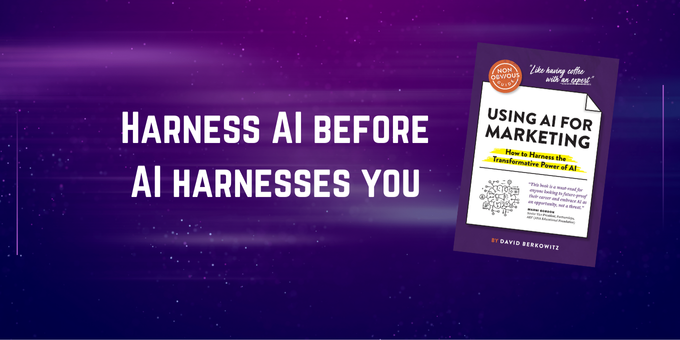
Unlocking Growth: The Ultimate Guide to AI Marketing Assessment
In the rapidly evolving landscape of digital marketing, artificial intelligence (AI) has emerged as a game-changer. From personalized customer experiences to predictive analytics, AI tools empower businesses to optimize their marketing strategies like never before. However, before diving into AI-driven initiatives, it’s crucial to conduct a comprehensive AI marketing assessment. This process helps organizations understand their current capabilities, identify gaps, and chart a clear path toward effective AI adoption.
What Is an AI Marketing Assessment?
An AI marketing assessment is a strategic evaluation designed to analyze a company's existing marketing processes, data infrastructure, and technological readiness for AI integration. It aims to determine how well positioned an organization is to leverage AI tools to enhance marketing performance, improve customer engagement, and drive revenue.
This assessment typically covers various domains such as data quality, technology stack, team expertise, and alignment with business goals. The outcome provides actionable insights that inform decision-making and strategic planning for AI implementation.
Why Is AI Marketing Assessment Important?
Implementing AI without proper assessment can lead to wasted resources, misaligned strategies, and unmet expectations. Conducting a thorough assessment offers several benefits:
- Identify Readiness: Understand whether your current infrastructure and team skills support AI initiatives.
- Data Quality Check: Ensure your data is accurate, comprehensive, and accessible.
- Gap Analysis: Recognize areas that require improvement or investment.
- Strategic Alignment: Make sure AI projects align with overall business objectives.
- Risk Mitigation: Spot potential challenges early to avoid costly setbacks.
- ROI Optimization: Focus efforts on AI solutions that deliver measurable value.
Key Components of an AI Marketing Assessment
1. Data Evaluation
Data is the foundation of AI. An effective assessment reviews the quality, quantity, and accessibility of your data. This includes:
- Data sources (CRM, social media, website analytics, etc.)
- Data cleanliness and consistency
- Data privacy and compliance considerations
- Infrastructure for data storage and processing
2. Technology Stack Analysis
Evaluate the existing marketing technology ecosystem:
- Marketing automation tools
- Customer data platforms (CDPs)
- Analytics and reporting tools
- AI and machine learning platforms
- Integration capabilities among tools
3. Skillset and Team Readiness
Assess the expertise within your team:
- Data scientists and analysts
- Marketing strategists familiar with AI
- IT support for AI tools
- Training needs and gaps
4. Business Goals and Strategy Alignment
Ensure that AI initiatives support your broader marketing and business objectives:
- Customer acquisition and retention
- Personalization and customer experience
- Campaign optimization
- Revenue growth
5. Process and Workflow Evaluation
Identify how current marketing processes can incorporate AI-driven tasks and where adjustments are needed.
6. Governance and Compliance
Review policies related to data privacy, ethical AI use, and regulatory compliance.
Conducting an AI Marketing Assessment: Step-by-Step
Step 1: Define Objectives
Clarify what you want to achieve with AI—whether it's improving customer segmentation, automating content, or predictive analytics.
Step 2: Gather Data and Information
Collect details about your current systems, data assets, and team capabilities.
Step 3: Analyze and Identify Gaps
Perform a detailed analysis based on the components outlined above.
Step 4: Develop a Roadmap
Create a strategic plan that addresses identified gaps, including technology upgrades, staff training, and pilot projects.
Step 5: Implement and Monitor
Start with pilot programs, measure results, and iterate for continuous improvement.
Final Thoughts
An AI marketing assessment is a critical step toward harnessing the transformative power of AI responsibly and effectively. By thoroughly evaluating your current capabilities and strategic alignment, you lay a solid foundation for successful AI integration that can lead to enhanced customer experiences, increased efficiency, and sustained competitive advantage.
As AI technology continues to evolve, staying proactive with assessments ensures your business remains at the forefront of innovation, ready to capitalize on new opportunities.
Embark on your AI marketing journey today by conducting a comprehensive assessment—your future growth depends on it.